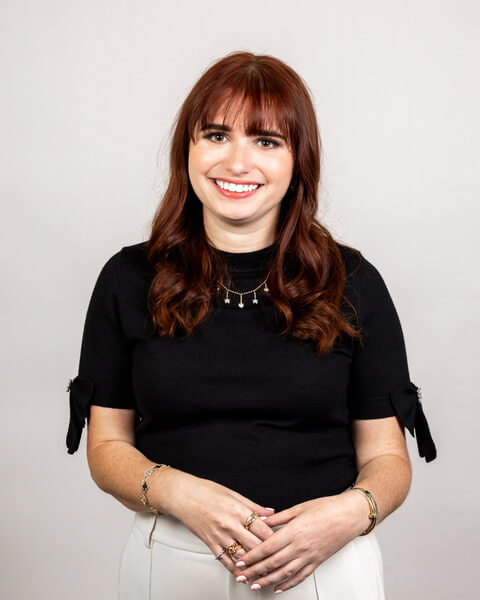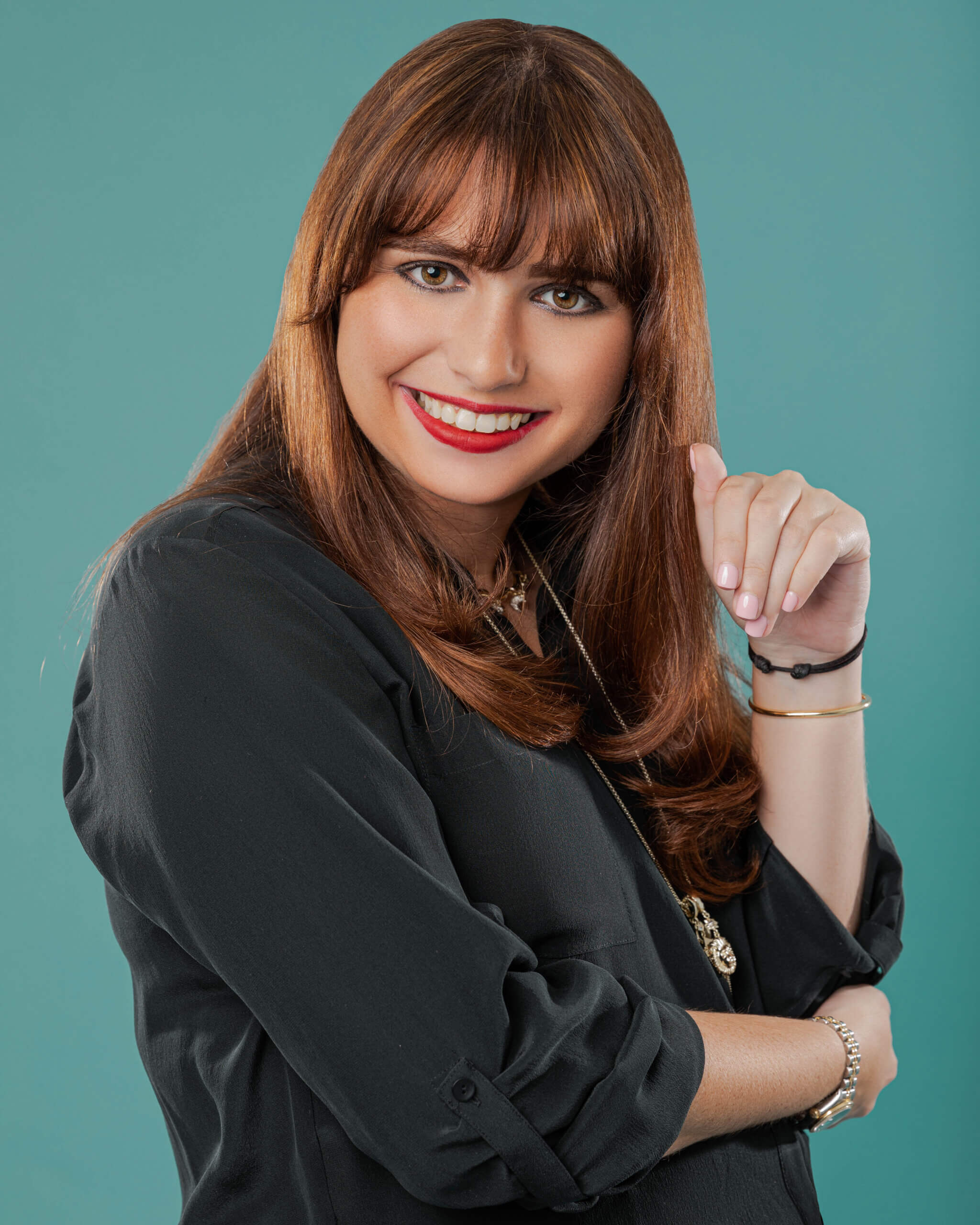
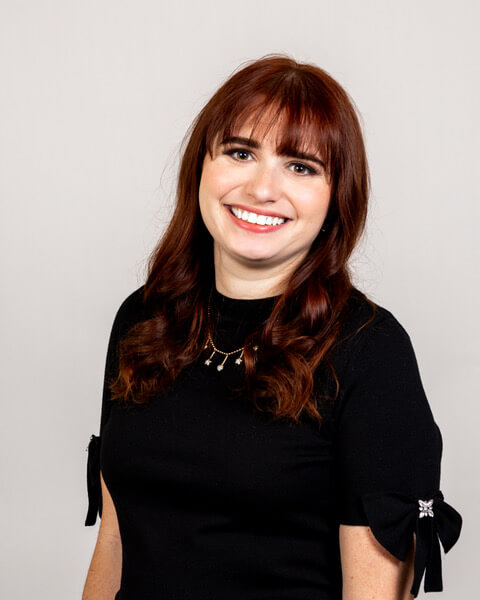
Haley Moss
Haley Moss is a lawyer, neurodiversity expert, and the author of four books that guide neurodivergent individuals through professional and personal challenges. She is a consultant to top corporations and nonprofits that seek her guidance in creating a diverse workplace, and a sought-after commentator on disability rights issues. The first openly autistic lawyer in Florida, Haley’s books include “Great Minds Think Differently: Neurodiversity for Lawyers and Other Professionals” (ABA Book Publishing; June 2021) and “The Young Autistic Adult’s Independence Handbook” (Jessica Kingsley Publishers; November 2021). Her articles have appeared in outlets including the Washington Post, Teen Vogue, and Fast Company.

-
The Language of Disability and The Inclusion Revolution
Stereotypes, stigmas, and notions of ableism make disability a sensitive topic to discuss. Nuances in the language surrounding disabilities make the discussion even more difficult for non-disabled friends, colleagues, and community members to join. Too often, those best equipped to teach the language of disability — people with disabilities themselves — are silenced and unheard, rather than empowered to lead the conversation on disability inclusion in society. As part of this session, the audience is invited to join the ‘Inclusion Revolution’ to build a bridge between people with and without disabilities by facilitating effective, real conversation in a meaningful and productive way. Attendees will enjoy a candid, no fluff conversation about disability from the personal perspective.
Learning Objectives and Takeaway Thoughts:
- Address and talk about disability with sensitivity and empathy
- Recognize the fears and stigmas surrounding disability – and how best combat ableism and disability stereotypes
- Understand the major barriers to access for disability inclusion
-
Neurodiversity in the Workplace
Adults on the autism spectrum face the highest unemployment rate amongst all people with disabilities. Having autism on the job has unique strengths and challenges from the application process through the daily routine of having a job. This session aims to provide context about neurodiversity, and the nuances surrounding and supporting neurodiversity at work, including the business case for neurodiversity, issues surrounding disclosure of a diagnosis, Americans with Disabilities Act compliance, and ensuring a workplace is accessible. The session will also incorporate personal perspective as Haley is an openly autistic attorney.
Learning Objectives and Takeaway Thoughts:
- Recognize the value of neurodiversity in the workplace
- Receive practical advice regarding common issues and barriers in the job seeking process
- Guidance on how to best empathize with and support neurodivergent people through the disclosure and accommodations processes
- Provide suggestions and ideas for employers, job seekers, and encourage communication to ensure successful employment
- Introduction to universal design principles
-
Neurodiversity: Leveling Up Our Perspective
No two brains are the same. An estimated 1 in 7 people are neurodivergent, including those with autism, ADHD, mental health disabilities, learning disabilities, intellectual disabilities or acquired brain differences. Given this prevalence, why are conversations around neurodiversity nonetheless so difficult, especially in the context of broader discussions about disabilities? In this session, Haley will unpack the nuances of navigating disclosure, advocating for ourselves and others, and building accessibility into our understanding of “inclusion.” Come prepared for lightbulb moments, and leave feeling more empowered to tackle stigma.
Learning Objectives & Takeaway Thoughts:
- Defining and understanding neurodiversity, including through the lens of Haley’s own experiences
- Recognizing and explaining disability’s absence from D & I conversations
- Challenge our own experiences with ableism and stereotyping on the basis of disability
- Guidance for everyone on how to be a strong advocate and ally for neurodivergent colleagues
- Advice for those who may discover through this programming that they may be neurodivergent
-
Redefining Neurodiversity (Fireside chat)
Neurodiversity gets a lot of attention as a potential
competitive advantage for business, but it is a lot broader than we think. Understanding our friends, colleagues, and others who may have mental health challenges, intellectual disabilities, acquired brain differences, learning disabilities, or something else like autism or ADHD is part of being human. This conversation will cover the foundations of neurodiversity, as well as allyship and advocacy at home and at work, including through the lens of Haley’s own experiences. This conversation aims to provide strategies and ideas for being a strong advocate and ally to neurodivergent people as well as advice for those who discover that they may be neurodivergent.Learning Objectives and Takeaway Thoughts:
- Defining and understanding neurodiversity, including through the lens of Haley’s own experiences
- Strategies for being a strong advocate and ally as a parent of neurodivergent children
- Advice for those who may discover through this programming that they may be neurodivergent
- Guidance for everybody on how to be a strong advocate and ally for neurodivergent colleagues
Neurodiversity Expert | Attorney | Advocate | Thought Leader | Author | Speaker
Diagnosed with autism at the age of three, Haley Moss’s parents were told that she might not ever finish high school or earn a driver’s license. Today she is a lawyer, neurodiversity expert, keynote speaker, educator, and the author of four books that guide neurodivergent individuals through professional and personal challenges. Haley is a consultant to top corporations and nonprofits that seek her guidance in creating a diverse workplace, and a sought-after commentator on disability rights and the Americans With Disabilities Act.
The first openly autistic lawyer in Florida, Haley’s books include “Great Minds Think Differently: Neurodiversity for Lawyers and Other Professionals” (ABA Book Publishing; June 2021), “The Young Autistic Adult’s Independence Handbook” (Jessica Kingsley Publishers; November 2021), “A Freshman Survival Guide for College Students With Autism Spectrum Disorders” (Jessica Kingsley Publishers; October 2014), and “Middle School: The Stuff Nobody Tells You About” (AAPC Publishing; March 2010) Her articles have appeared in outlets including the Washington Post, Teen Vogue, GQ, Bustle, Fast Company, Law 360 Pulse, and the ABA Journal.
Haley earned her law degree from the University of Miami School of Law. Admitted to the Florida Bar in 2019, she is the recipient of awards including the American Bar Association Solo, Small Firm, and General Practice Division’s Making a Difference By Breaking Barriers Award (2021), D-30 Disability Impact List (2021), Road Less Traveled Award from Ms. JD (2020), Outstanding Self-Advocate Award from University of Miami — Nova Southeastern University Center for Autism & Related Disabilities (2018), and Publix Self-Advocate of the Year from the Palm Beach County Special Needs Advisory Coalition (2018).
Haley lives in Miami, Florida and is a fan of YA fiction, Taylor Swift, drawing and painting, and video games.
To learn more about Haley, you can visit her website at haleymoss.com and on social media.
Our speakers get attention.
-
An Interview with Haley Moss, J.D. ‘18The Miami Law alumna is an educator, speaker, artist, and author who advocates for individuals with disabilities and promotes awareness of neurodiversity.
-
Autism activist Haley Moss inspires action in MU Thompson Center talkLast year, the Autism Society of America announced that Autism Awareness Month would be renamed Autism Acceptance Month. The move was meant to encourage more inclusive language surrounding how to…
-
What Demi Burnett’s announcement means to autistic women — and ‘Bachelor’ fansHaley Moss, an advocate and author, is a big fan of the show. She talks to The 19th about diagnosis, gender and autism, and representation on ‘The Bachelor.’
-
ICYMI: Attorney and Disability Advocate Haley Moss on Why Remote Work Makes Her ‘Incredibly Hopeful for the Future’We’ll be back next week with a new episode, but until then we’re highlighting an interview from July that is only becoming more relevant as legal employers continue to contemplate…