
Dr. Jonathan Lassiter
Jonathan Mathias Lassiter, PhD, is a polymath whose mission is to help others heal and thrive. He is a licensed clinical psychologist, author, speaker, and educator. Dr. Lassiter has been featured on NBC, PBS, Forbes, HuffPost, RadioNew Zeal, and SiriusXM. His psychotherapy practice is based in New York City.

-
How To Harness Your Culture to Heal and Thrive
We all have a culture. The beliefs, customs, values, and rituals we share with our racial/ethnic,national, geographic, and organizational groups all make up our culture. The ways we think about the world and what it means to be human are also a part of our culture. In this talk, Dr. Lassiter explains how culture operates at a surface level and deep level,and how to recognize it in our communication, policies, and relationships. I also describe how each level of culture can harm and help our mental health. Participants will walk away with a step-by-step guide to create their own toolkit to harness culture so they may heal and thrive.
Reimagining Mental Health for Black People: RejectingAnti-Black Racism and Embracing Afrocentric PsychologyAnti-Black racism is still alive and well.Recently, it has been responsible for hundreds of thousands of Black women losing their jobs, the continued un/underemployment of Black men,the rising rates of suicide among Black youth, and the dismantling of race-based school admission considerations.These recent outcomes are just more in a long line of assaults on Black life. These assaults not only affect Black livelihood but also mental health, contributing to depression, anxiety, and strained relationships. Fortunately, an alternative way of looking at life exists and has existed for millennia–African-centered Psychology. African-centered Psychology is a way of looking at the world that prioritizes community, cultural knowledge, and spirituality.It has been proven to weaken the effects of racism and confer positive benefits for Black people’s mental health. In this talk, I will describe(a)what African-centered psychology is,(b)how it counters anti-Black racism,(c)its positive effects on mental health, and(d)how participants can use it to feel better and improve their relationships today.
-
Black LGBTQ+Health: Resistance, Resilience, and Risk
Black lesbian, gay, bisexual, transgender, questioning, and other sexual and gender expansive(LGBTQ+) people suffer from physical and mental health problems at higher rates than theirBlack heterosexual peers and their white LGBTQ+ counterparts.For example, Black LGBTQ+people are more likely to be diagnosed with depression compared to Black heterosexualAmericans (26% vs 15%).Similar patterns are seen with medical conditions such as asthma(21% vs 14%).Additionally, Black LGBTQ+are less likely to have health insurance or a personal doctor.In this talk, I help participants identify the health risks,resilience factors, and methods of resistance among Black LGBTQ+ people in the United States.The talk then moves to sharing skills medical and mental health providers can use to harness the resilience of theirBlack LGBTQ+ patients to work with them in a culturally humble way.
-
Black Actors & Mental Health
When a Black actor walks into an audition,they are not only trying to portray the character with clarity but they must also fight against the stereotypes about what Blackness is, and how much they do or don’t embody it.Many Black actors suffer from low self-esteem, poor confidence, and physical health complications due to the chronic stress of auditioning-while-Black. In this talk, I describe the TRIOS mental health care and resiliency model. This model harnesses African-centered qualities related to time, rhythm, orality, and spirituality to help Black actors center themselves before, during, and after an audition. Participants will leave with strategies to fortify their mental health
-
Supporting Marginalized Professionals On the Job
Many marginalized–LGBTQ+, Black, Latine, Asian, Middle Eastern–professionals must navigate jobs where they are often the only one in the room who looks or loves like them. Some professionals feel pressure to hide their identities and suppress their mannerisms, thoughts, and behaviors. These factors contribute to many marginalized professionals experiencing anxiety,imposter syndrome, and depression due to their work conditions.In this talk, I list the signs to look out for that might indicate that a marginalized professional does not feel supported at work.I then provide both group and individual tools to help administrators and fellow employees be better allies at work. The talk ends with a discussion of mental health strategies and resources for marginalized professionals
-
How I Know White People Are Crazy and How We Heal
We have a real problem when it comes to mental health care services in the United States. For one, Black, Latine, Middle Eastern, and Asian people only represent a combined 20% of psychologists. This is a gross under-representation considering that 42% of people in the general population identify as members of these groups.Part of what fuels this problem are the ways in which white/European culture is centered in psychology classrooms, training clinics, and treatment centers. Psychological training and services that center White/European culture are treated as universal and thus does a poor job at effectively addressing the mental health concerns of people from racial/ethnic backgrounds. In this talk, I will share stories from my own journey of becoming a psychologist in the United States that illustrate the pitfalls of our current system of training psychologists and other mental health professionals. I also offer recommendations for how to move beyond the white/European-centered practice of psychology.My book,HowI KnowWhite People Are Crazy and Other Stories: Notes From a Frustrated Black Psychologist, will serve as the starting point for this talk.
-
Wellness in the Workplace
The world is scary and chaotic for many people. Sometimes going to work feels like adding more fuel to the fire of anxiety, depression,burnout,and fatigue.When people are suffering from mental health concerns,they are not their best. These mental health concerns can lead to absenteeism, poor work quality, and strained work relationships. In this talk, I help participants learn how to spot the signs of mental health concerns in themselves and their coworkers.Participants will be exposed to culturally grounded strategies such as mindfulness, ritual,movement-based exercises, and communal practices that can help improve their mental health and their functioning at work. I will also share mental health care resources with participants.
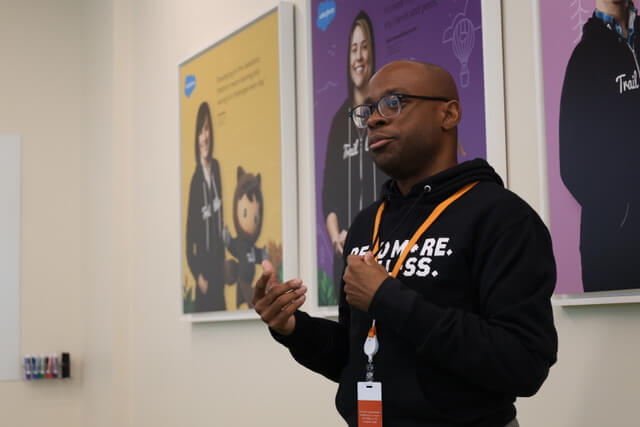
See Dr. Jonathan Lassiter in action.





Culturally Informed Psychologist and Author of “How I Know What People Are Crazy”
Jonathan Mathias Lassiter, Ph.D. is a licensed clinical psychologist in New York City specializing in culturally informed mental health care for Black, POC, and LGBTQ+ individuals and couples. With a passion to use his Ph.D.for the culture, he serves as a therapist, scientist, educator, author, mental health columnist, on-air mental health expert, and international public speaker. Dr. Lassiter has appeared in such outlets as NBC, PBS, Forbes, HuffPost, Radio NewZealand, SiriusXM, iHeart Radio, and more.
Dr. Lassiter is the author of “How I Know White People Are Crazy and Other Stories: Notes From a Frustrated Black Psychologist”, published by Legacy LitBooks. In the book he tells his story of becoming part of the less than one percent of Black male psychologists, and explains how whiteness limits how we understand and practice mental health. He is also the co-editor of the award-winning text, “Black LGBT Health in the UnitedStates: The Intersection of Race, Gender, and Sexual Orientation”, published by Lexington Books. Follow Dr. Lassiter on all social media platforms at @lassiterhealth.
Our speakers get attention.
-
Black & Queer Mental Health with Dr. Jonathan Mathias Lassiter“Everyone deserves healing, everyone deserves to thrive,” Meet the clinical psychologist who addresses social stigma while working to create a more inclusive therapy experience.
-
Psychologist Jonathan Mathias Lassiter is improving Blacks’ mental healthThe licensed clinician works with Blacks, people of color, and the LGBTQ community
-
To Become A Doctor, I Had To Complete A Wildly Inappropriate Assignment. The Cost Was Devastating."I put on a happy face. But my internal world was frenzied. I... was... appalled."
-
5 Questions with Jonathan Mathias LassiterThis year, as a way to celebrate Pride Month, Gladstone is featuring the panelists from Out in Science with a series of articles that asks them five—or more—questions.
-
Dr Jonathan Mathias Lassiter: Mental health in marginalised communitiesMost people would agree that diversity, equity and inclusion are central to an egalitarian society but if one world view dominates at the expense of others, minorities will continue to…
-
Navigating The Intersection: Dr. Jonathan Mathias Lassiter’s Journey In Culturally Informed Mental HealthThe pursuit of multiple disciplines can often lead to an intersection that allows one to combine their passions. Dr. Jonathan Mathias Lassiter’s career seamlessly illustrates this.